Call Us
+91 9301723973



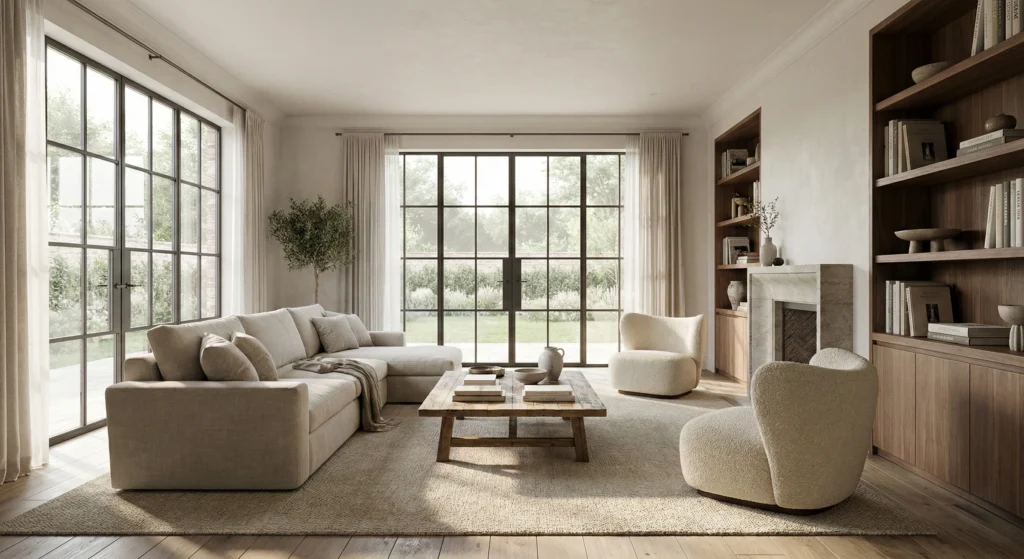
Before a designer answers a single email or takes a call, a client has already formed an opinion. Architects shortlist firms. Developers compare decks. Homeowners scroll through portfolios on a phone at 11pm. That first impression is built entirely on what a designer puts in front of them, and it happens fast.
Traditional portfolio methods have real limitations. Flat mood boards, amateur project photos, and hand sketches rarely communicate the depth or quality of a design. That gap is where 3D renders for interior design portfolio work have become a practical and increasingly expected tool. This blog covers how integrating renders into a portfolio improves presentation quality, builds confidence with prospective clients, and helps position a firm for higher-value projects.
Photography of completed work has long been the backbone of interior design portfolios. But relying on it exclusively creates gaps that are difficult to paper over. Interior design presentation renders address problems that even the best photography cannot fix, particularly when projects are still in development or the photography did not do the work justice.
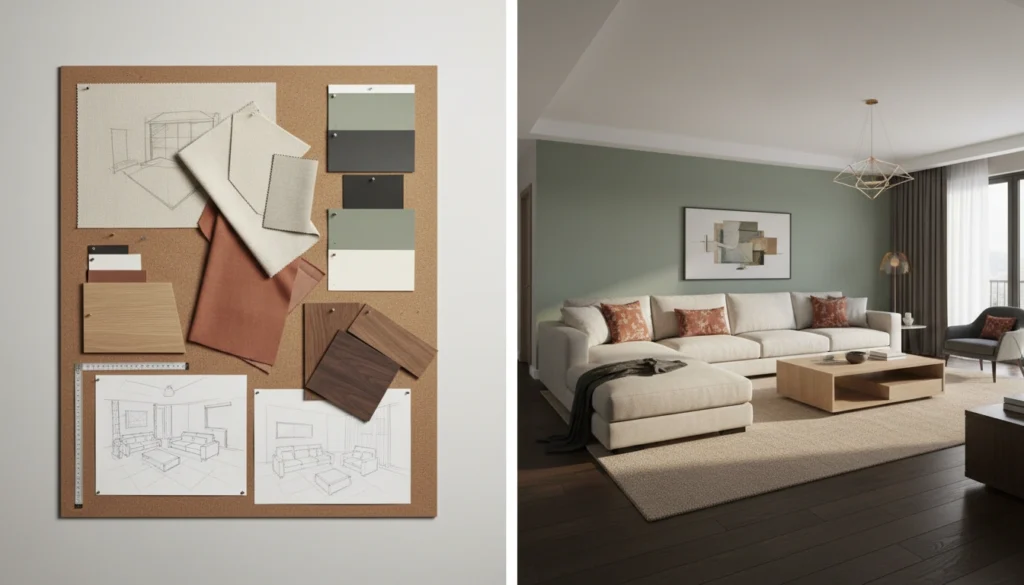
This is where 3D visualization for interior designers fills the gap.
High quality interior renders give a designer something photography rarely can: complete creative control over the final image. The lighting is set where it needs to be. The materials read correctly. The furniture is placed precisely as intended. There are no day-of constraints, no suboptimal angles forced by the physical space, no staging compromises.
The specific advantages of photorealistic interior renders in a portfolio context include:
This is not about replacing photography. Completed project photographs still carry weight, particularly for clients who want to see real-world execution. But renders fill the gaps that photography cannot reach. For new firms, for projects in development, or for speculative design work, they are often the only visual option available.
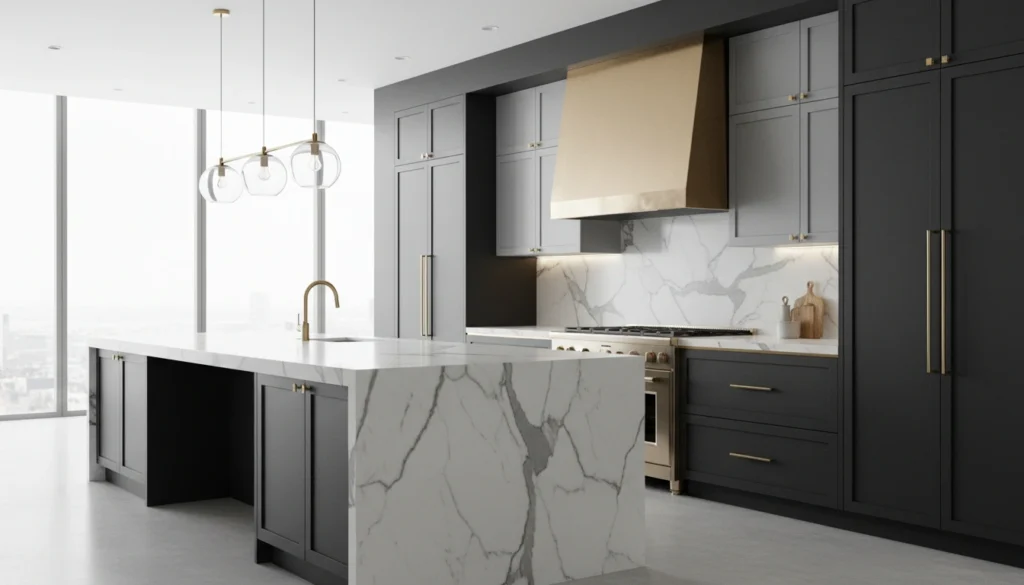
The quality of a portfolio directly shapes the type of client who responds to it. This is not a theory. It is something architects and designers observe firsthand when they upgrade their presentation materials. A portfolio filled with polished architectural visualization for interiors signals competence, process discipline, and attention to detail before a single conversation takes place.
Interior design marketing with 3D renders is less about producing attractive images and more about demonstrating a capacity to think through a space before construction begins. High-end residential clients and commercial project owners respond to that clarity. It tells them the designer has a method, can communicate ideas precisely, and reduces the risk of expensive misalignment during a project.
For developers and builders specifically, designers who can produce renders for pitch meetings or investor presentations are significantly more useful. Renders reduce back-and-forth during approvals, help buyers visualise unbuilt units, and shorten sales cycles. That practical utility makes render-capable designers a preferred choice when developers are assembling project teams.
Integrating interior design portfolio 3D rendering into day-to-day practice does not require rebuilding a portfolio from scratch. There are specific, actionable ways to introduce renders that improve how a portfolio reads without discarding existing work.
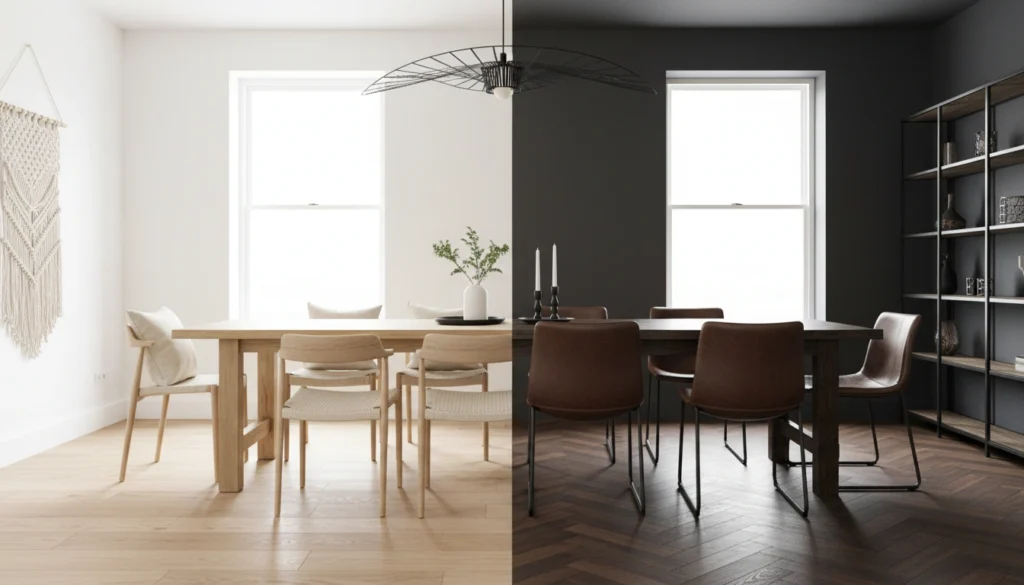
Not all renders are equal in quality, and poor CGI can hurt a portfolio more than it helps. Before including renders in client-facing work, designers should be clear on what separates a usable render from a substandard one, whether the work is produced in-house or sourced through a studio.
Whether you produce renders in-house or work with interior rendering services, the standard should match or exceed the quality of professional photography. Anything below that threshold is not worth including.
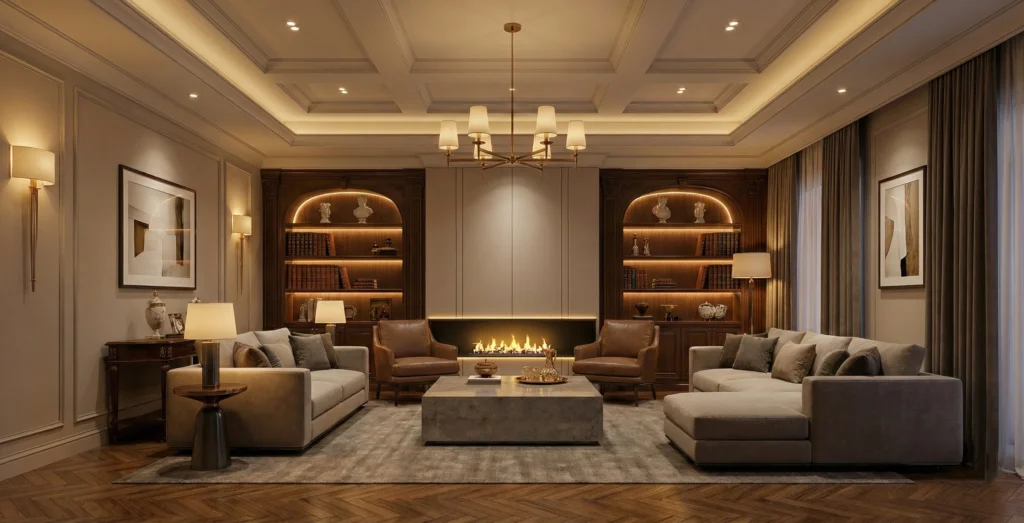
For those who work alongside interior designers rather than as designers themselves, the presence of 3D visualization for interior designers in a firm’s portfolio is a useful indicator. It suggests the designer can plan ahead, communicate clearly with other consultants, and present ideas in a format that works in a boardroom or a client meeting. That matters when you are building a project team.
For developers in particular, designers who produce renders as part of their standard process can materially support a sales programme. Buyers consistently engage with furnished interior visuals far more than empty floor plans or developer’s specification sheets. That translates into faster decisions and fewer questions that stall the process.
Using 3D renders for interior design portfolio work is a practical decision with measurable effects on how a firm is perceived and who chooses to engage with it. It expands what a portfolio can show, makes design intent readable to non-technical clients, and positions a firm credibly for larger, more demanding projects.
The shift toward render-based portfolios is not a passing trend. It reflects a change in how clients evaluate designers and how design decisions are communicated before a project breaks ground. Portfolios that reflect that standard will naturally attract the work that matches it.