Call Us
+91 9301723973


Static images show one perspective at a time. Animations guide viewers along a fixed path. But neither gives them control over their own experience. That’s the gap 360 virtual tour services fill. They let viewers explore your project at their own pace, look in any direction they want, and focus on the details that matter most to them.
This matters because people want to explore spaces the way they naturally would in real life – by looking around, moving closer to things that interest them, and taking their time in areas they care about. A 360 virtual tour answers questions like: What’s around the corner? Can I see this room from a different angle? How does this space connect to that one?
We create 360 virtual tours that give viewers complete control over how they experience your project. You provide the design documentation, and we build an interactive digital environment where viewers can navigate freely, explore every angle, and examine spaces on their own terms.
Our clients use these for remote property viewings, online marketing campaigns, and international presentations where physical site visits aren’t practical. Real estate developers use them to attract buyers from anywhere in the world. Architects use them for client reviews and approvals. Hospitality businesses use them to showcase venues to event planners and guests. The interactivity makes the difference.
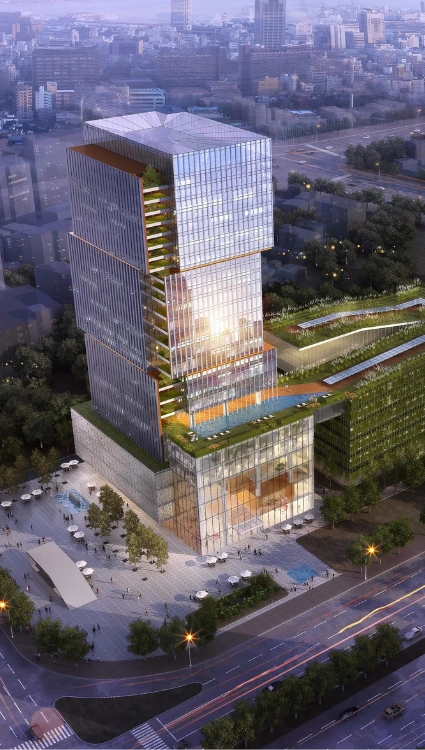
We’ve been providing 3D Visualization services long enough to know what makes a project run smoothly and what causes unnecessary delays. Here’s what you can expect when you work with us.
– Clear Communication From the Start
We know how frustrating it can be to work with a studio that doesn’t communicate clearly. You send files, wait days for a response, then get something that’s close but not quite right. Then you’re back and forth for weeks trying to fix details that should have been handled from the start.
We built our process to avoid that.
– Realistic Expectations
When you reach out, we respond quickly with clear questions about your project. We tell you exactly what we need from you, how long it will take, and what the deliverables will look like. No vague timelines. No surprises halfway through.
If something about your project will take longer than usual, we tell you upfront. If a detail you want isn’t possible within your timeline, we’ll suggest alternatives that work.
– Fewer Revisions, Better Results
We ask the right questions at the beginning so we don’t waste your time later. What’s the primary use of this animation? Who’s the audience? What story are you trying to tell?
This means fewer rounds of revisions. Most of our projects get approved after the first or second draft because we understood the brief properly from day one.
– We Respect Deadlines
If we commit to a delivery date, we hit it. Our clients often work under tight schedules, and a delayed animation can derail an entire marketing launch or presentation. We plan our workload carefully so we’re never scrambling at the last minute.
– Consistent Quality Across Projects
Whether you’re ordering one animation or multiple walkthroughs, the quality stays the same. We don’t rush through larger projects or cut corners to meet a deadline. Every frame gets the same attention to movement, lighting, and composition.
We use a combination of industry-standard tools to deliver our 3D interior rendering services with accuracy and consistency. Each piece of software plays a specific role in our workflow, and together they let us deliver consistency across every project.
3ds Max is our primary modeling and rendering platform. We use 3ds Max to build the architectural structure, place furniture, and set up cameras. It gives us precise control over every element in the scene.
When clients send us SketchUp models, we can import them directly and refine them for rendering. SketchUp is also useful for quick spatial studies early in the process.
Blender
We use Blender for certain modeling tasks and as a secondary rendering option when a project calls for it. It’s a flexible tool that integrates well with our pipeline.
Corona Renderer is our main rendering engine. It handles lighting, materials, and camera settings with a level of realism that’s hard to beat. We’ve spent years fine-tuning our Corona setups to produce consistent, photorealistic results.
V-Ray
We also use V-Ray for projects where we need fast, interactive feedback during the design process. It’s particularly good for interior scenes with complex lighting.
Every rendering gets post-processed in Photoshop. We adjust colors, balance exposure, add depth, and refine details. This final step is what makes the difference between a technical render and an image that feels real.
These tools help us maintain accuracy and consistency, but they’re just tools. What matters is how we use them to solve the specific challenges of your project
.
If you’re presenting to clients, pitching to investors, or finalizing design decisions, we’ll help you show your project the way it deserves to be seen.
Let’s discuss your project. Tell us what you need, and we’ll walk you through how we can help.
Get in touch today we typically respond within a few hours.
